Exploring Botanical Elements for Male Wellness and Holistic Self-Care
Understanding Natural Components and Their Role in Well-Being
Educational content only. No promises of outcomes.
Understanding Natural Compounds
Natural compounds are chemical substances that occur naturally in plants, minerals, and other environmental sources. They have been part of human culture and ecosystems for millennia. This section explores the general properties of these compounds, their presence in nature, and their role within broader ecological systems. Understanding what these compounds are forms the foundation for informed learning about natural wellness.
The study of natural compounds helps us appreciate the complexity of the natural world and how various elements contribute to our environment. This educational exploration aims to deepen your understanding of botanical science and the principles of natural wellness.
The Foundation of Male Vitality
Vitality and well-being represent a holistic approach to health that goes beyond traditional narrow definitions. In the context of male wellness, vitality refers to a sense of energy, resilience, and overall life force that is influenced by multiple factors:
- Physical Health: Movement, exercise, and physical well-being form the cornerstone of vitality.
- Nutritional Support: A balanced diet provides essential nutrients that support bodily functions.
- Mental Clarity: Cognitive function and emotional balance contribute to overall well-being.
- Rest and Recovery: Sleep and stress management are vital for sustained energy levels.
- Social Connection: Meaningful relationships and community support enhance quality of life.

Historical Perspectives on Botanicals
Throughout human history, various cultures have developed rich traditions of utilizing plant-based remedies for general health support. These practices reflect accumulated knowledge and cultural wisdom about the natural world.
Ancient Civilizations
Ancient Egyptian, Greek, Chinese, and Indian cultures documented extensive knowledge of botanical elements. These civilizations recognized the value of various plants and developed systematic approaches to their use in supporting general wellness and daily life.
Traditional Medicine Systems
Ayurveda, Traditional Chinese Medicine, and Indigenous healing practices developed comprehensive frameworks for understanding how botanical elements support overall vitality and maintain balance in the body.
Modern Botanical Science
Contemporary research examines the chemical composition of botanicals and seeks to understand the mechanisms through which their compounds may support various physiological processes in a general educational context.
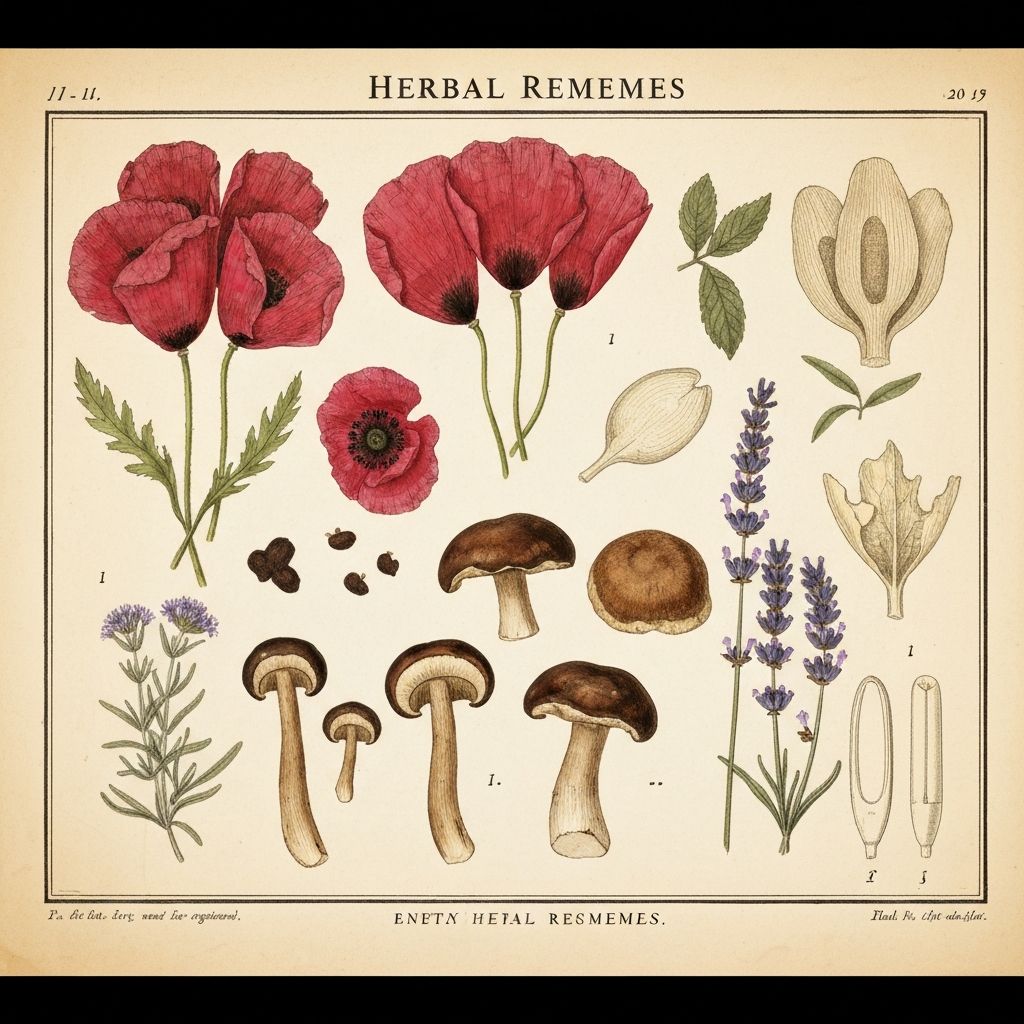
Eastern Traditions
Asian botanical traditions represent millennia of documented knowledge about plant compounds and their general properties in supporting wellness practices.
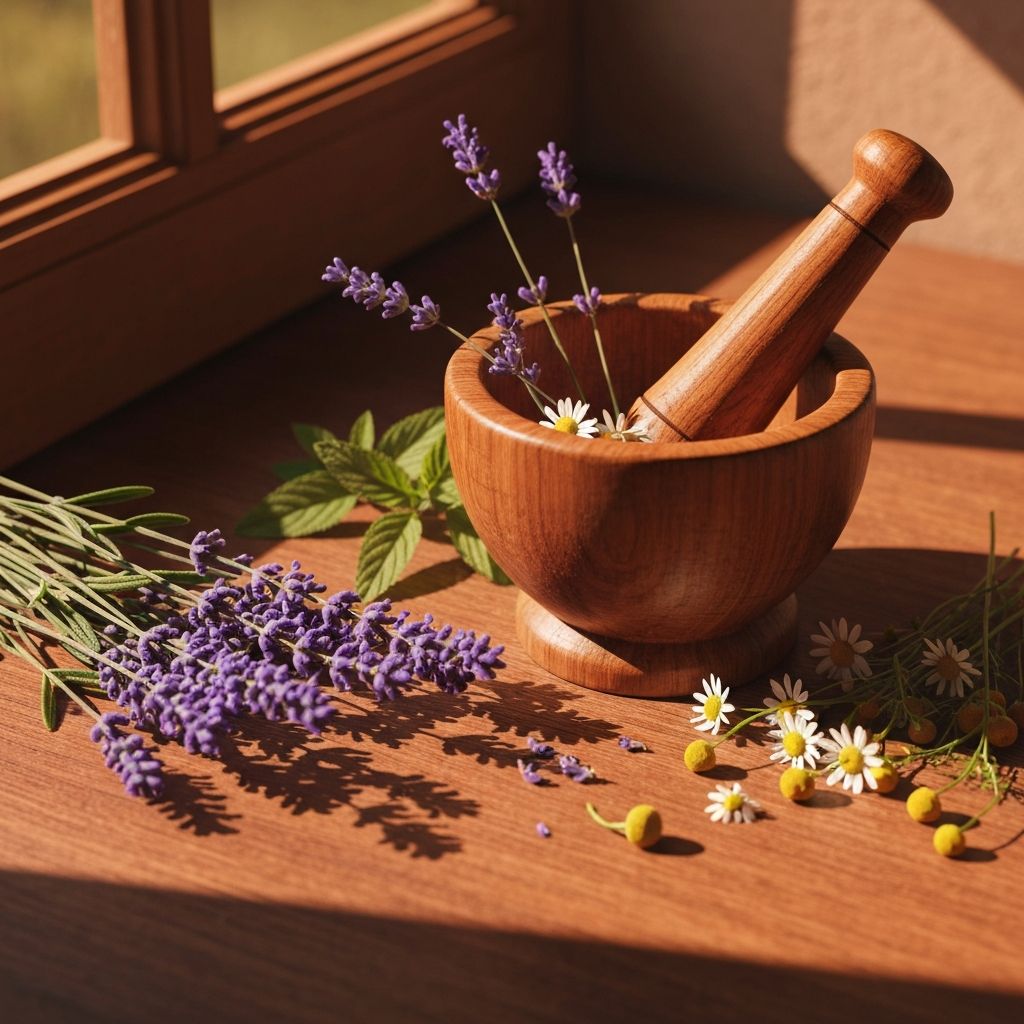
Preparation Methods
Historical cultures developed various techniques for preparing botanical materials, including infusions, decoctions, and extracts designed to optimize general wellness benefits.
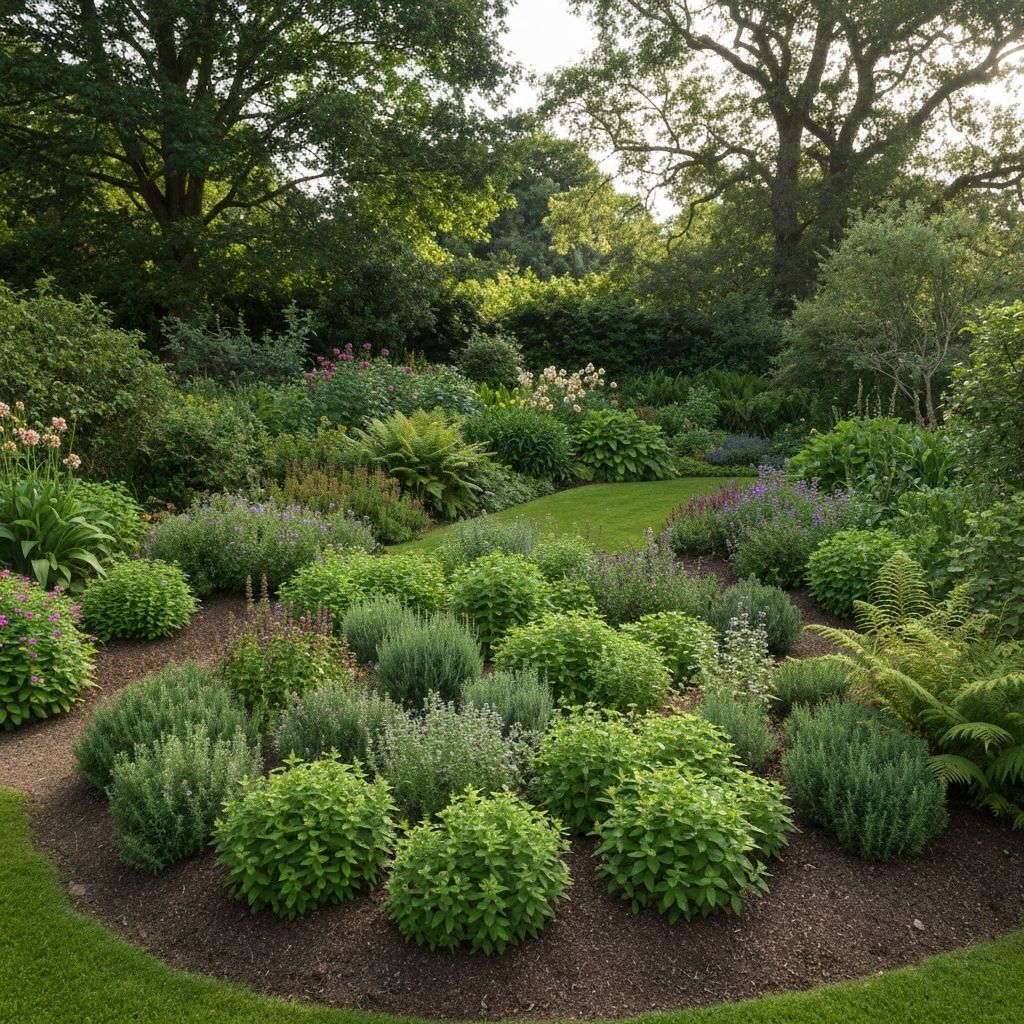
Botanical Gardens
Dedicated cultivation of botanical species reflects recognition of their importance in human wellness and represents organized knowledge systems.
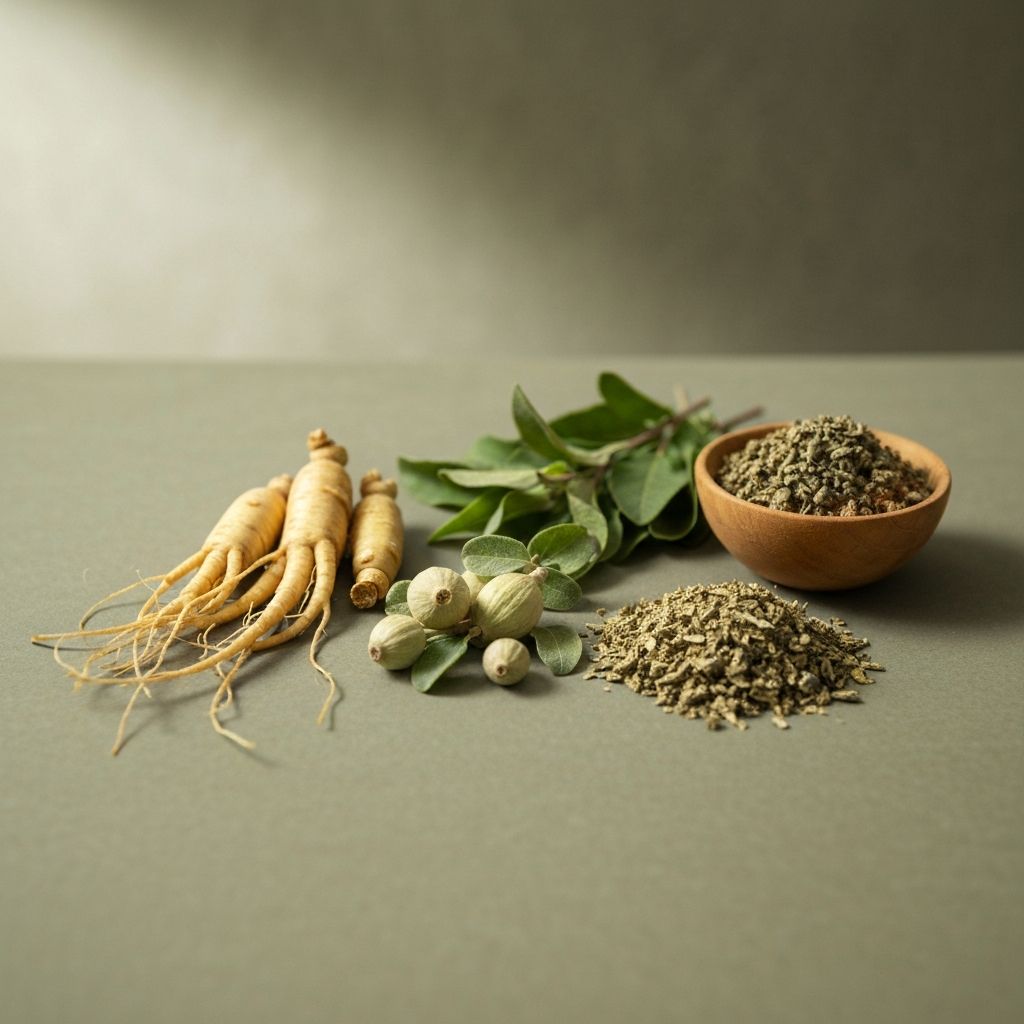
Diet and Lifestyle for Sustained Wellness
A comprehensive approach to well-being encompasses multiple dimensions of lifestyle. These foundational principles support overall vitality:
- Balanced Nutrition: Consuming diverse whole foods provides essential vitamins, minerals, and phytonutrients.
- Regular Movement: Physical activity supports cardiovascular health, mental clarity, and emotional well-being.
- Stress Management: Practices like meditation, deep breathing, and relaxation support emotional resilience.
- Quality Sleep: Adequate rest is fundamental to physical recovery and cognitive function.
- Environmental Connection: Spending time in nature and maintaining clean living spaces supports overall health.
Exploring Categories of Natural Support
Natural compounds can be categorized based on their general properties and how they are traditionally studied. Understanding these categories helps contextualize botanical elements within the broader framework of natural wellness:
Adaptogenic Compounds
These plant compounds are traditionally understood to support the body's natural ability to adapt to stress and maintain balance. Historical and contemporary research explores their general properties.
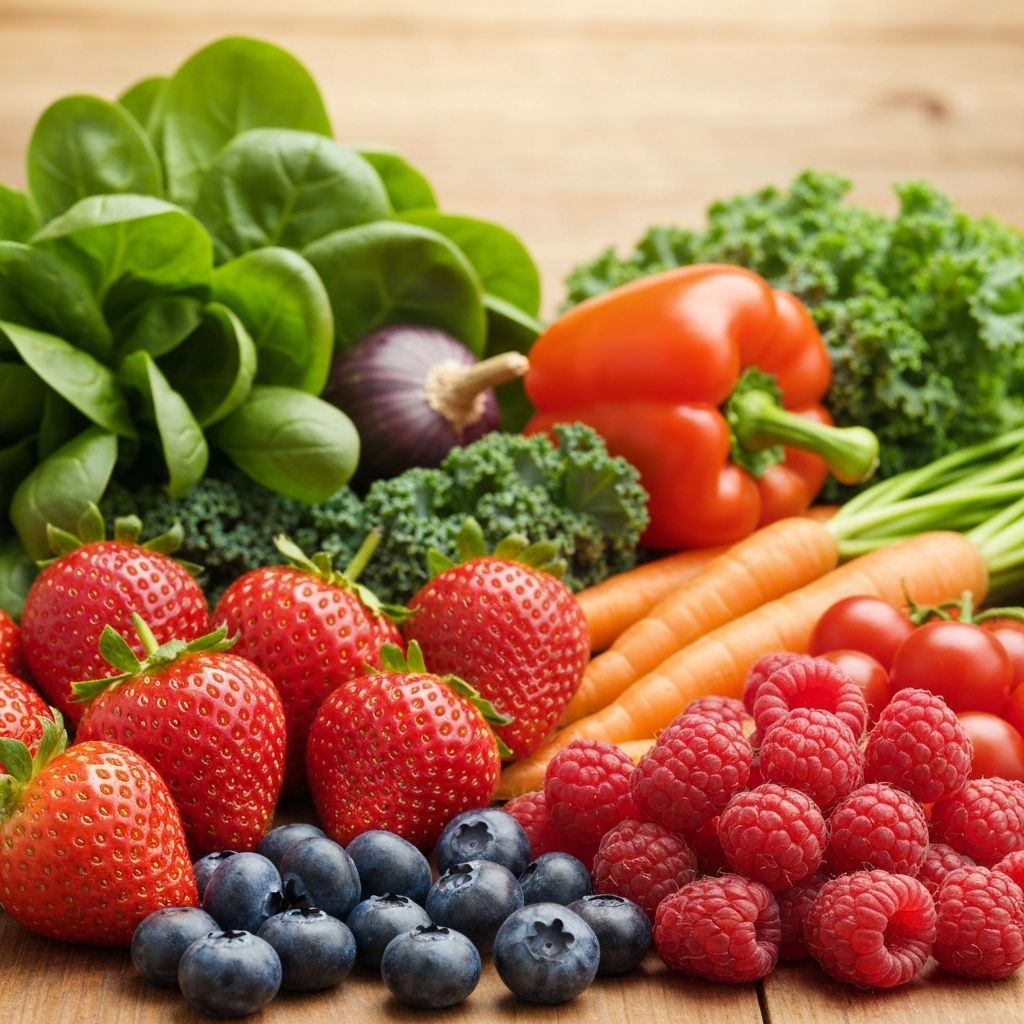
Antioxidant Plant Components
Many plants contain compounds that support cellular function through general antioxidant mechanisms. These compounds are of significant scientific interest for their role in supporting overall wellness.
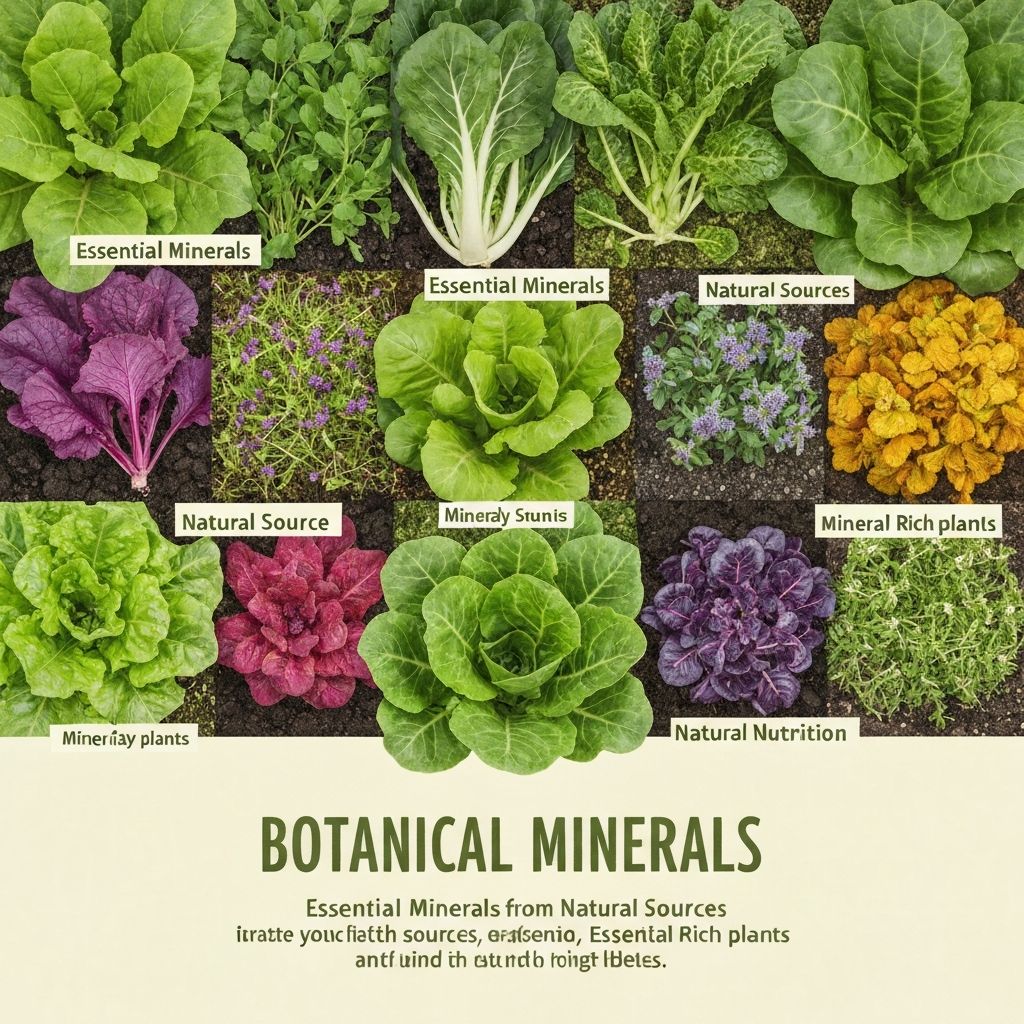
Essential Minerals from Plants
Plants accumulate essential minerals from soil and water, providing bioavailable sources of zinc, magnesium, iron, and other elements crucial for physiological processes.
The Mind-Body Connection in Men's Health
Growing scientific understanding demonstrates the profound interconnection between mental and physical well-being. For men's wellness, this connection is particularly important:
Emotional stress directly impacts physical health through hormonal and neurological pathways. Conversely, physical practices like exercise and proper nutrition support mental clarity and emotional resilience. Mindfulness practices—including meditation, deep breathing, and time in nature—represent evidence-based approaches to supporting this connection.
Recognizing that wellness is holistic, not compartmentalized, helps create a comprehensive self-care practice that addresses physical, mental, and emotional dimensions of health.

Environmental Factors and Well-Being
Our environment profoundly influences our health and well-being. Several environmental factors play significant roles:
- Air Quality: Clean air supports respiratory and cardiovascular function.
- Natural Light Exposure: Sunlight regulates circadian rhythms and supports vitamin D production.
- Nature Connection: Time in green spaces reduces stress and supports mental well-being.
- Water Quality: Clean water is fundamental to all physiological processes.
- Living Space Quality: A organized, clean environment supports mental clarity and reduces stress.

Navigating Information on Natural Wellness
In an era of abundant information, developing critical thinking skills is essential. When exploring topics related to natural wellness, consider these principles:
- Understand the Source: Evaluate the credibility and independence of information sources.
- Distinguish Education from Promotion: Educational content explains concepts; promotional content aims to influence purchasing decisions.
- Recognize Limitations: General educational information differs from personalized medical advice.
- Seek Professional Guidance: For health decisions, consult with qualified healthcare providers.
- Consider Context: General wellness principles apply differently to individual situations.
Integrative Approaches to Self-Care
Comprehensive self-care involves integrating multiple wellness practices into a coherent lifestyle approach:
Nutritional Integration
Building meals that incorporate a variety of whole foods, seasonal produce, and nutrient-dense ingredients creates the foundation for sustained wellness.
Movement and Exercise
Regular physical activity, whether through structured exercise, daily walking, or recreational activities, supports cardiovascular and mental health.
Mental and Emotional Practices
Mindfulness, meditation, journaling, and social connection create emotional resilience and mental clarity.
Principles of Botanical Science
Modern botanical science employs rigorous methodologies to study plant compounds and understand their properties:
Research Methodologies: Scientists use laboratory analysis, clinical studies, and observational research to understand how botanical compounds interact with biological systems.
Phytochemistry: The study of chemical compounds in plants reveals the molecular basis for their properties.
Ethnobotany: This field documents how different cultures traditionally use plant materials, preserving cultural knowledge and informing contemporary research.
Evidence Generation: Peer-reviewed research contributes to our understanding of botanicals in the context of general wellness, not specific disease treatment.
Understanding Antioxidants
Antioxidants are compounds that support cellular function by helping manage oxidative processes. Plants naturally produce these compounds as part of their own biology. Scientific research explores how antioxidants from botanical sources may support general wellness through their interaction with cellular processes.
This general understanding forms the basis for educational discussion about the role of plant compounds in supporting overall health and vitality.
Deepen Your Understanding
Explore more educational insights about natural wellness, botanical science, and holistic self-care practices.
Educational content only. No promises of outcomes.